




The Ultimate Guide to Choosing the Best Electric Scooter Controllers
Electric scooters have gained immense popularity as a convenient, eco-friendly mode of transportation. As a crucial component in their operation, the scooter controller plays a significant role in ensuring optimal performance. In this comprehensive guide, we’ll explore everything you need to know about electric scooter controllers, specifically focusing on their features, installation processes, and key considerations for choosing the right one.
What is an Electric Scooter Controller?
An electric scooter controller acts as the central processing unit of the scooter. It controls the speed, acceleration, and overall operation of the electric motor. The controller interprets inputs from the throttle and brakes, helping to manage energy distribution to the motor for efficient operation.
Why is Quality Important in Electric Scooter Controllers?
When selecting a high-quality scooter controller, you should prioritize durability and efficiency. A robust controller made from aluminum alloy guarantees a long lifespan and reliable performance. Cheap controllers often lead to overheating or mechanical failure, which can endanger users and undermine the scooter’s overall efficiency.
Key Features of a High-Quality Electric Scooter Controller
1. Durable Construction
Controllers made from high-quality aluminum alloy are resistant to wear and tear, ensuring they can withstand the rigors of daily use. This material not only offers durability but also contributes to heat dissipation during operation.
2. Excellent Heat Dissipation
Good controllers are designed to avoid thermal overload. They often incorporate thermal management systems that help maintain an optimal temperature during high-stress situations. Coatings that provide waterproofing are also beneficial, extending the life of the controller board.
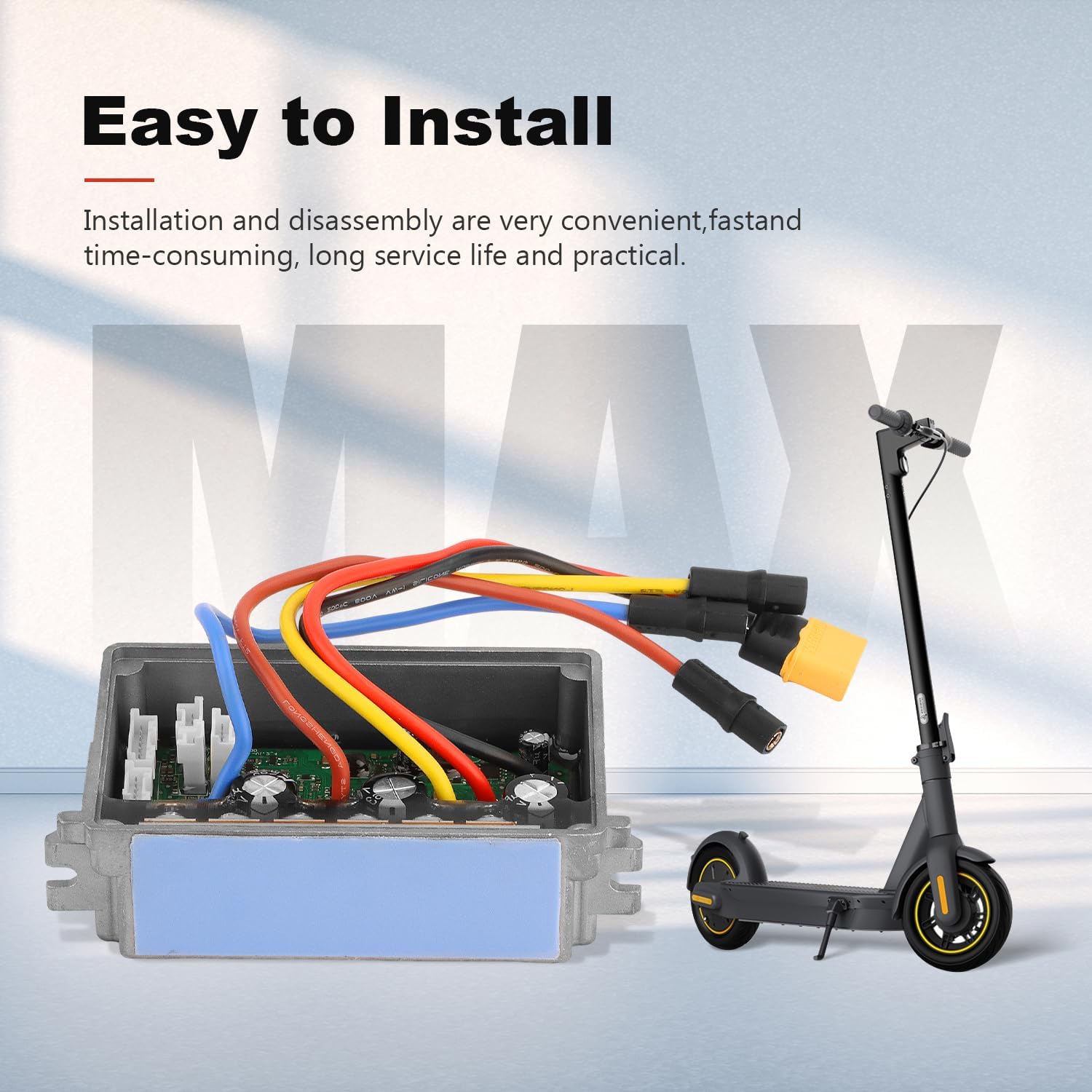
3. Easy Installation Process
One of the standout features of a quality scooter controller is its user-friendly installation. A lightweight and compact design makes it easy to transport and install, even for those with minimal mechanical expertise.
4. Compatibility
Choosing a controller that is compatible with specific models, such as the Ninebot MAX G30, is crucial. Compatibility ensures that users can easily replace old or damaged components without extensive modifications.
How to Install an Electric Scooter Controller
Step-by-Step Installation Guide
Step 1: Gather Necessary Tools
Before starting, ensure you have the following tools: screwdrivers, pliers, and a socket wrench. Make sure to wear safety goggles.
Step 2: Disconnect the Battery
Safety should always come first. Disconnect the battery to prevent any electrical accidents.
Step 3: Remove the Old Controller
Carefully detach the old controller by unscrewing it from its mounted position. Make note of how the wires are connected for easy reinstallation.
Step 4: Connect the New Controller
Follow the wiring diagram provided with the new controller. Connect the wiring harnesses according to the instructions for secure connections.
Step 5: Test the Connections
Before fully reassembling your scooter, it’s wise to test the connections. Reconnect the battery temporarily and check if the controller is functioning properly.
Step 6: Reassemble and Secure
Once confirmed that everything works, carefully reassemble your scooter and secure all screws tightly to prevent any vibrations from loosening your components.
Pros and Cons of Electric Scooter Controllers
Pros:
- Performance Improvement: High-quality controllers enhance scooter performance, providing smoother acceleration and better speed control.
- Longer Lifespan: Sturdy materials like aluminum alloy resist damage, giving you peace of mind regarding longevity.
- Enhanced Safety Features: Quality controllers often come equipped with built-in safety mechanisms to prevent overheating.
Cons:
- Cost: Premium controllers may come at a higher price. While the upfront cost can be a deterrent, the long-term benefits justify the investment.
- Installation Complexity: While some controllers are easy to install, others may require specialized expertise, adding to costs.
How to Choose the Right Electric Scooter Controller
1. Identify Your Scooter Model
Begin by identifying your electric scooter’s make and model. Compatibility with your specific scooter, like the Ninebot MAX G30, is crucial for performance enhancement.
2. Check the Specifications
Look for key specifications such as voltage, current rating, and supported motor types. This information is vital to ensure correct functionality.
3. Read User Reviews
Reviews from other users provide valuable insights into the performance and reliability of specific controllers. Consider feedback on installation ease and overall user satisfaction.
4. Evaluate Warranty and Support
A sufficient warranty indicates the manufacturer’s confidence in their product. High-quality controllers often come with a standard warranty, ensuring you have support if issues arise.
Why Regular Maintenance is Necessary
To ensure the longevity of your electric scooter’s controller, regular maintenance is essential. Here are some tips:
- Inspect Wiring Regularly: Check for fraying or damage.
- Keep Connections Clean: Ensure that all connectors are free from dust and corrosion.
- Monitor Performance: Pay attention to any performance issues, such as unusual sounds or lagging acceleration, which may indicate controller problems.
Common Issues with Electric Scooter Controllers
Ensuring your scooter runs smoothly involves recognizing potential controller issues. Here are some common problems:
1. Overheating
If the controller frequently overheats, it may indicate poor heat dissipation. In most cases, this is due to inadequate ventilation or a faulty unit that requires replacement.
2. Inconsistent Performance
If the scooter experiences erratic speeds or unresponsive braking, it might be a sign that the controller is failing. In such cases, consider replacing it with a better-quality controller.
3. Shortened Battery Life
A malfunctioning controller can drain your battery faster than usual. If you notice a sudden decrease in battery performance, examine the controller.
How to Troubleshoot Common Controller Problems
1. Check Connections
Start with inspecting all wiring connections. Loose connections can lead to various performance issues.
2. Verify Compatibility
Ensure that the installed controller is compatible with your specific electric scooter model.
3. Test Components Individually
If problems persist, isolate each electrical component (battery, motor, controller) to test their functionality independently.
The Future of Electric Scooter Controllers
With advancements in technology, the future of electric scooter controllers looks promising. Innovations will likely focus on improving efficiency, enhancing performance, and integrating smart features. Expect controllers that provide real-time analytics on scooter performance, further elevating the user experience.
Conclusion
Selecting the best electric scooter controller is crucial for performance and safety. High-quality materials, effective heat dissipation, and ease of installation are among the key features to consider. Regular maintenance and troubleshooting can extend the life of your scooter and provide a safe riding experience.
By keeping compatibility, high-quality construction, and optimal features in mind, you can ensure a seamless riding experience on your electric scooter.
FAQs
1. How do I know which controller is compatible with my scooter?
To determine compatibility, check your scooter’s specifications and look for controllers designed for your make and model.
2. Can I install the controller myself without experience?
Yes, many controllers are designed for easy installation, but having basic mechanical knowledge is beneficial. If unsure, consider consulting a professional.
3. What should I do if my controller is overheating?
If overheating occurs, allow the unit to cool down. Inspect the wiring and connections, and consider replacement if problems persist.
4. Are there alternative materials besides aluminum alloy?
While aluminum alloy is common due to its durability, some controllers may use plastic or other metals, but these often compromise longevity.
5. How do I maintain my electric scooter controller?
Regularly inspect wiring, ensure connections are clean, and monitor performance for any unusual behavior to maintain functionality.
By carefully considering your options and staying informed, you’ll be well on your way to enjoying an outstanding electric scooter experience.
Disclosure: As an Amazon Associate, I earn from qualifying purchases.

Hi, I’m rideonscoot, the author behind RideOnScoot.com. Welcome to the world of electric scooters, where your adventure begins! At RideOnScoot.com, we offer a handpicked selection of top-notch electric scooters that will transform your daily commute and leisure rides. With cutting-edge technology, impressive range, and sleek designs, our scooters not only offer convenience but also contribute to a sustainable future. Whether you’re a city commuter or an urban explorer, I have the perfect ride waiting for you. Join the electric scooter revolution today and experience the power of eco-friendly transportation firsthand.