

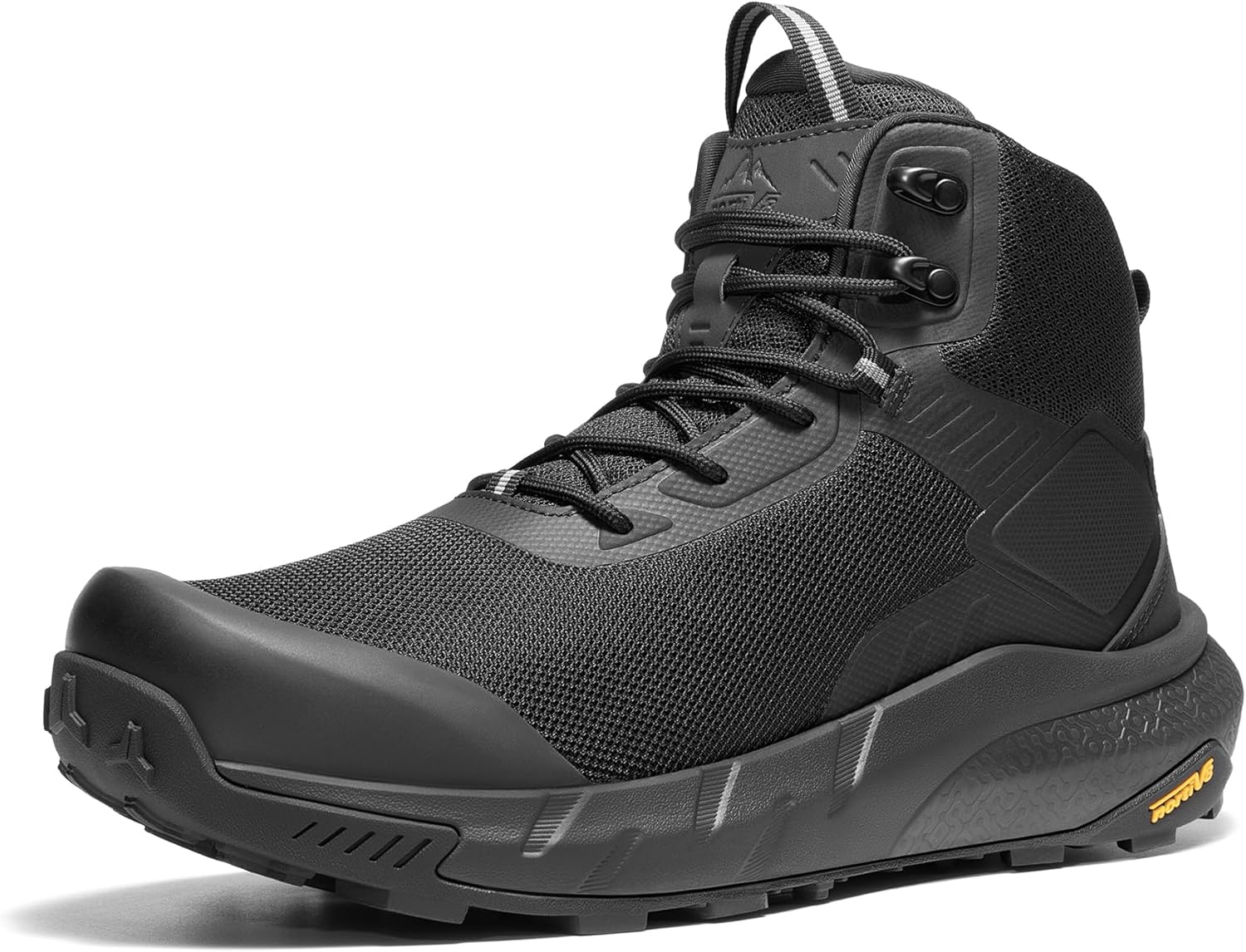


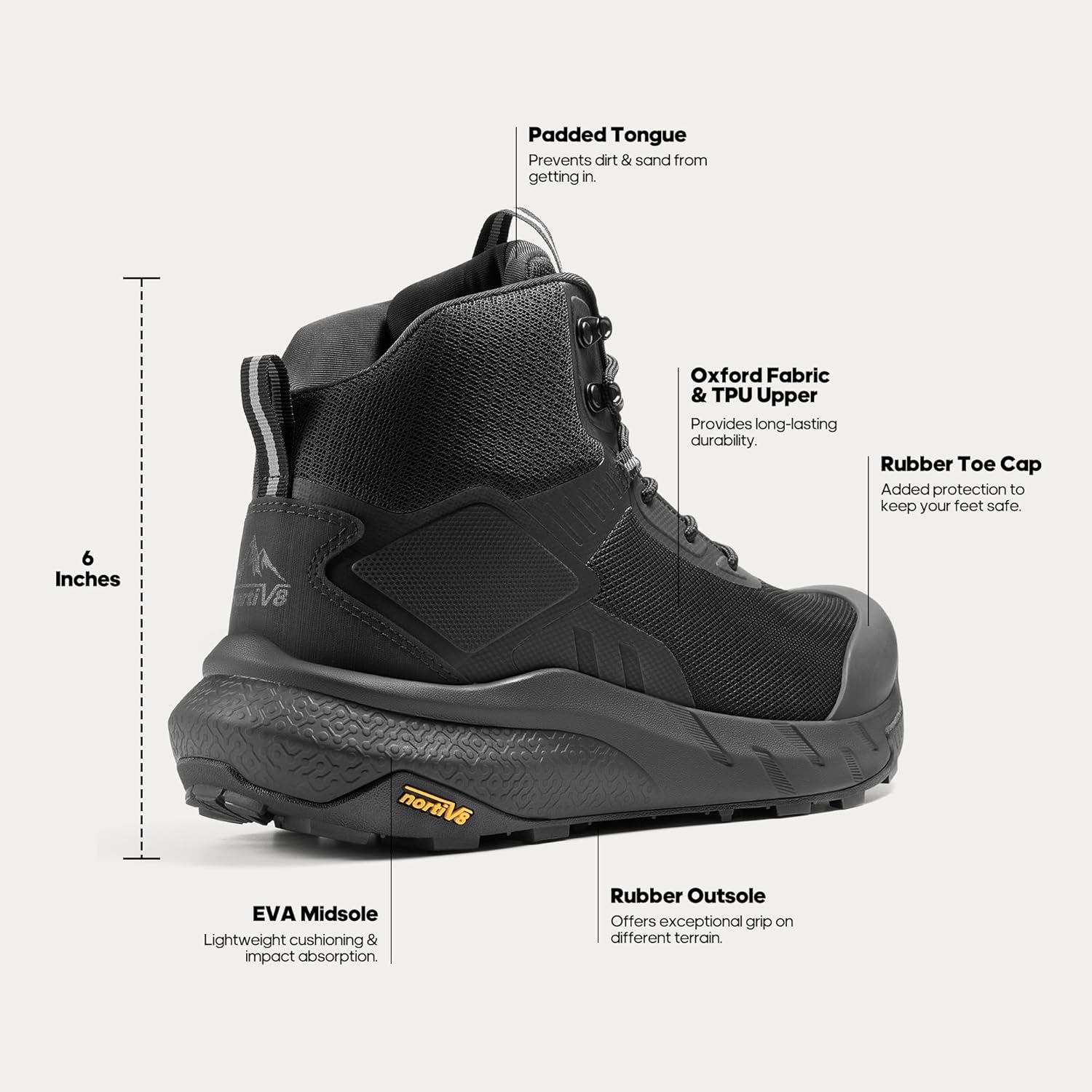

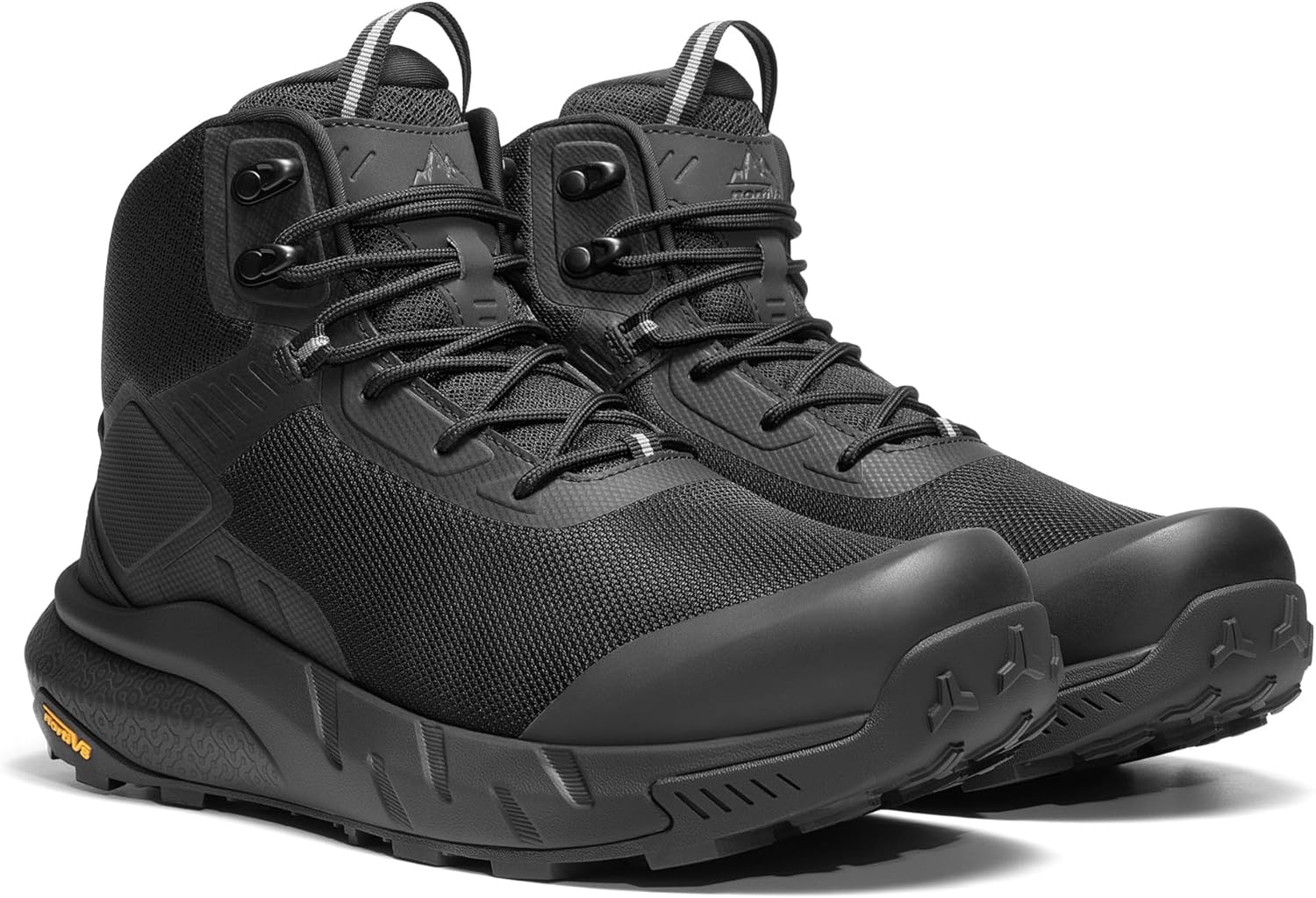

The Ultimate Guide to Men’s Military and Tactical Boots
Whether you’re a military professional, outdoor enthusiast, or just someone who values rugged and reliable footwear, men’s military and tactical boots are essential for durability and support. This comprehensive guide explores everything you need to know about these versatile boots, including the different types, features, and how to choose the right pair for your needs.
What Are Military and Tactical Boots?
Military and tactical boots are specifically designed to provide comfort, durability, and protection in demanding environments. They often feature:
- High ankle support: Reduces the risk of sprains and injuries.
- Thick rubber soles: Enhance grip and stability on various terrains.
- Waterproof materials: Keep your feet dry in wet conditions.
These boots are not only used by military personnel but are also popular among hikers, hunters, and outdoor workers.
Why Invest in Quality Military Boots?
Investing in quality military boots can drastically affect your foot health and overall performance. Here’s why you shouldn’t settle for less:
1. Durability
Quality boots withstand harsh conditions, whether it’s rugged terrain or adverse weather. Cheap alternatives often wear down quickly, leading to discomfort and potential injuries.
2. Comfort
Modern designs prioritize comfort, with features like cushioned insoles and breathable materials. A good pair can keep your feet comfortable during long hours, reducing fatigue.
3. Versatility
Military and tactical boots are suitable for various activities—from hiking and camping to work-related tasks. Their multi-functional capabilities make them a wise investment.
Types of Men’s Military and Tactical Boots
When shopping for military boots, you’ll encounter several types. Understanding each type can help you choose the best pair for your specific needs.
Combat Boots
Combat boots are generally robust and designed for frontline soldiers. They offer heavy-duty protection and support, making them ideal for rugged environments.
Tactical Boots
Tactical boots focus on mobility and agility, essential for police, security personnel, or anyone needing quick foot movement. They often come with features specific to operational needs, such as waterproofing and reinforced areas.
Hiking Boots
While not strictly military, hiking boots share similarities with tactical designs. They’re lightweight and made for comfort on long treks. They are ideal for anyone who spends significant time outdoors.
Waterproof Boots
Boots made from waterproof materials like Gore-Tex provide maximum protection against wet conditions, allowing you to traverse streams or rainy landscapes without soggy feet.
Breathable Boots
For hot climates, breathable boots allow airflow to keep your feet cool. These are essential for activities in warm weather, ensuring comfort during extended wear.
Key Features to Consider When Buying Military Boots
1. Material
Military boots are crafted from various materials. Leather provides durability, while synthetic materials offer breathability. Choose based on your specific needs and preferences.
2. Sole Type
Look for boots with flexible yet supportive soles. Rubber outsoles with deep treads improve grip on diverse terrains. Some soles are designed for quiet movement, particularly useful in tactical scenarios.
3. Fit
A proper fit is crucial for comfort. Many boots come with various width options—ensure you pick a pair that accommodates your foot shape well without being too tight or loose.
4. Weight
Heavy boots can lead to fatigue. Look for lightweight options that still provide the support you need for daily tasks or adventures.
5. Ankle Support
Consider boots with a higher ankle for better support during rough activities. This feature can significantly reduce the risk of injuries on uneven ground.
How to Care for Your Military Boots
Proper care extends the life of your boots. Here are some tips to follow:
1. Clean Regularly
Remove dirt, mud, and debris after each use. For heavy cleaning, use a soft brush and water, avoiding harsh detergents that could damage materials.
2. Condition Leather
If your boots are made of leather, apply a leather conditioner periodically to prevent cracking.
3. Allow to Dry
Never dry your boots near direct heat sources. Let them air dry naturally to maintain the materials’ integrity.
4. Store Properly
Keep your boots in a cool, dry place away from sunlight. Use boot trees if necessary to maintain their shape.
Pros and Cons of Men’s Military Boots
Pros:
- Durability: Built to last under tough conditions.
- Support: Enhanced ankle and foot support.
- Versatility: Suitable for various outdoor activities.
- Protection: Often equipped with features to guard against the elements.
Cons:
- Weight: Some styles can be heavier than regular boots.
- Break-in Period: New boots might take time to feel comfortable.
- Cost: High-quality boots can be more expensive upfront.
What Are the Best Brands for Men’s Military Boots?
1. Bates
Known for delivering comfort and quality, Bates offers a range of tactical and military boots suitable for various environments.
2. Danner
Danner boots provide a blend of classic styling and modern technology, renowned for their fit and build quality.
3. Rocky
Rocky specializes in creating rugged outdoor footwear, ideal for both military and civilian users.
4. Under Armour
Under Armour’s tactical boots are engineered for high performance, combining lightweight design with durability.
Where to Buy Men’s Military Boots?
When looking to purchase your next pair of boots, consider:
- Local outdoor stores: Provides the option to try on multiple styles.
- Online retailers: Websites like Amazon, Zappos, and specialty boot sites often have a wider selection.
- Second-hand: Websites or local shops that sell pre-owned gear can offer quality boots at reduced prices.
Conclusion
Choosing the right pair of men’s military and tactical boots ultimately comes down to understanding your needs. With features like durability, comfort, and versatility, these boots are essential for anyone who demands reliability from their footwear. By taking the time to find a pair that fits well and meets your specific requirements, you’ll be prepared for whatever the day brings.
FAQs
1. How do I choose the right size for military boots?
It’s best to measure your foot size and consult each brand’s sizing chart, as sizes can vary by manufacturer. Trying on boots with appropriate socks is also advisable.
2. Can I wear military boots for everyday use?
Absolutely! Many people wear military boots daily due to their comfort and style. Just ensure they match your lifestyle and clothing.
3. Are military boots waterproof?
Many military boots feature waterproof materials, but it’s essential to check the product description to ensure they meet your expectations.
4. How long should military boots last?
With proper care, a good pair of military boots can last several years, even with regular use. Their lifespan largely depends on usage and maintenance.
5. What should I wear with military boots?
Military boots can complement various outfits, from tactical gear and cargo pants to casual jeans and even shorts. The key is to match styles appropriately for the occasion.
By ensuring your footwear is high-quality and well-suited for your activities, you not only enhance comfort but also boost your overall performance and safety, making military and tactical boots the best choice for a variety of situations.
Disclosure: As an Amazon Associate, I earn from qualifying purchases.

Hi, I’m rideonscoot, the author behind RideOnScoot.com. Welcome to the world of electric scooters, where your adventure begins! At RideOnScoot.com, we offer a handpicked selection of top-notch electric scooters that will transform your daily commute and leisure rides. With cutting-edge technology, impressive range, and sleek designs, our scooters not only offer convenience but also contribute to a sustainable future. Whether you’re a city commuter or an urban explorer, I have the perfect ride waiting for you. Join the electric scooter revolution today and experience the power of eco-friendly transportation firsthand.