




The Ultimate Guide to Choosing Your Mobility Scooter
Mobility scooters have revolutionized the way individuals with mobility challenges navigate their surroundings, providing not just independence but also a more active lifestyle. In this comprehensive guide, we’re diving deep into the world of mobility scooters, helping you understand everything from types to features and the pros and cons you might face. With this information, you’ll be well-equipped to make an informed decision.
Understanding Mobility Scooters
What is a Mobility Scooter?
A mobility scooter is a motorized vehicle designed to assist individuals with mobility impairments. They are similar to wheelchairs but come with the added features of steering and controls for those who require more speed and convenience when moving around.
Why Choose a Mobility Scooter?
The primary purpose of a mobility scooter is to provide freedom for individuals facing mobility challenges. These scooters can help you navigate through various terrains, whether indoors at home or outdoors in your community, thus enabling you to maintain an active lifestyle without depending on others.
Types of Mobility Scooters
1. 3-Wheel Mobility Scooters
3-wheel scooters are ideal for indoor use due to their tighter turning radius. They might not be as stable on rough terrains, but they are lightweight and easier to maneuver in small spaces.
2. 4-Wheel Mobility Scooters
4-wheel scooters offer superior stability, making them suitable for outdoor use. They usually come with larger motors, allowing them to traverse a variety of surfaces, from sidewalks to gravel paths.
3. Folding Mobility Scooters
For those who travel often or have limited storage space, folding mobility scooters are a practical solution. They can be easily transported and stored due to their compact design.
Key Features to Consider
Battery and Range
When evaluating mobility scooters, you need to consider the battery type and the range it offers. For instance, many scooters feature a 24V battery providing a range of around 15 miles per charge. Always ensure that the battery meets your mobility needs, especially if you plan to venture out for longer periods.
Weight Capacity
Check the scooter’s weight capacity, typically ranging from 250 lbs to 350 lbs. Some models may also offer a maximum tested load capacity, so it’s essential to choose one that fits your requirements for safety and comfort.
Design and Comfort
Seat Comfort
A well-designed seat is vital for longer rides. Look for adjustable swivel seats and customizable armrests. An adjustable seat height is also essential to accommodate users of various heights. You want something that won’t cause strain during extended use.
Control Interface
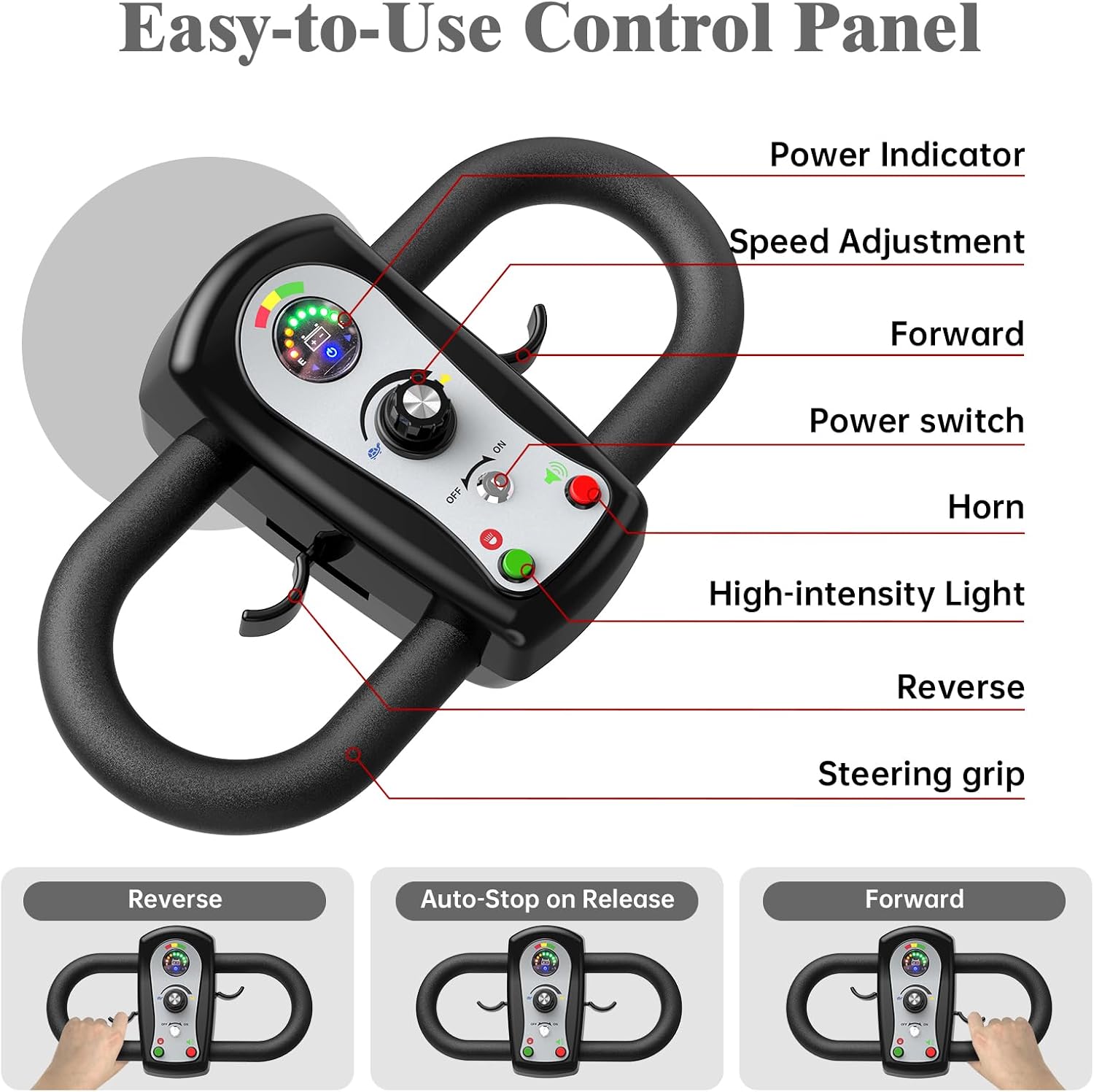
A user-friendly control interface can make a huge difference. Intuitive designs, like LED dashboards and one-touch starts, are perfect for users of all ages. This way, every operation, whether it be reversing or checking battery levels, is as easy as possible.
Mobility Scooters for Different Users
Mobility Scooters for Seniors
Senior users often prefer mobility scooters that prioritize comfort and ease of use. For instance, scooters with ergonomic designs help reduce fatigue during prolonged use.
Mobility Scooters for Adults
Younger adults or those seeking a more rugged experience may opt for heavy-duty models capable of handling rough terrains and extended usage. These often come with additional power and features tailored to adventurous users.
Pros and Cons of Mobility Scooters
Pros:
- Independence: Mobility scooters provide users the ability to move around freely without assistance.
- Ease of Use: Most models are designed with straightforward controls that anyone can master.
- Versatility: They can be used in multiple environments, making them suitable for indoor and outdoor journeys.
- Comfort: Adjustable seats and armrests cater to individual comfort needs.
Cons:
- Weight: Some models may be heavy, making them harder to transport.
- Outdoor Limitations: Not all scooters perform well on rugged or uneven terrain.
- Battery Dependence: Limited range means users need to plan for charging breaks during longer outings.
Safety Features to Look For
Braking Systems
A reliable braking system is essential for ensuring safe stops. Look for scooters with electronic brakes or regenerative braking which recharges the battery slightly during braking.
Lighting
Incorporating lights into your scooter is crucial if you plan to use it after dark. Visibility is key, so consider models with built-in headlights and reflectors.
Caring for Your Mobility Scooter
Routine Maintenance
To ensure longevity, regular maintenance is crucial. This includes checking tire pressure, battery health, and keeping it clean. Most manufacturers provide guidelines on the best maintenance practices, which can vary from model to model.
Storing Your Scooter Properly
When not in use, store your scooter in a cool, dry place. Temperature extremes can impact battery performance, so always refer to the manufacturer’s instructions.
What are the Costs Involved?
The price of mobility scooters can vary widely depending on several factors, including type, features, and brand. Basic models start around $600, while high-end models can reach up to $4000 or more. Factor in potential maintenance and insurance costs to get a complete picture of your investment.
Where to Buy Mobility Scooters?
Local medical supply stores often provide the added benefit of test driving, but online options allow for a broader range of choices and better pricing. Reputable websites and marketplaces can offer extensive customer reviews which can further aid your decision.
Conclusion
In conclusion, selecting the right mobility scooter involves understanding your unique needs and preferences. Evaluate various types, features, and safety measures to ensure the scooter you choose enhances your lifestyle rather than complicates it. With the right information and careful consideration, you can regain independence and mobility, allowing you to seize every opportunity that life presents.
FAQs
1. Are mobility scooters covered by insurance?
Many insurance plans, including Medicare, offer some level of coverage for mobility scooters, often requiring a doctor’s prescription.
2. How fast can mobility scooters go?
Most mobility scooters have a maximum speed ranging from 4 to 8 miles per hour.
3. Can mobility scooters be used in the rain?
While many mobility scooters are somewhat weather-resistant, it’s best to avoid using them in heavy rain or snow to prevent electrical damage.
4. How do I charge my mobility scooter?
Charging is typically as simple as plugging the charger into an electrical outlet and connecting it to the scooter’s battery. Refer to your user manual for specifics.
5. What are the best brands for mobility scooters?
Brands like AXADA, Pride Mobility, and Drive Medical are well-known for producing high-quality and reliable mobility scooters.
With this guide in hand, you are prepared to make a wise and informed decision that suits your mobility needs, enhancing your daily life experiences. Choose wisely!
Disclosure: As an Amazon Associate, I earn from qualifying purchases.

Hi, I’m rideonscoot, the author behind RideOnScoot.com. Welcome to the world of electric scooters, where your adventure begins! At RideOnScoot.com, we offer a handpicked selection of top-notch electric scooters that will transform your daily commute and leisure rides. With cutting-edge technology, impressive range, and sleek designs, our scooters not only offer convenience but also contribute to a sustainable future. Whether you’re a city commuter or an urban explorer, I have the perfect ride waiting for you. Join the electric scooter revolution today and experience the power of eco-friendly transportation firsthand.