






The Ultimate Guide to Electric Scooters: Performance, Features, and Buying Tips
Electric scooters are transforming urban mobility and offering an eco-friendly alternative to traditional commuting. This guide aims to provide you with a comprehensive overview of electric scooters, focusing on their performance, features, and buying tips. We’ll explore key elements that will help you make an informed choice when considering an electric scooter.
What Are Electric Scooters?
Electric scooters are compact, battery-powered vehicles designed primarily for urban travel. They are typically equipped with two wheels, a platform for standing or sitting, and handlebars. These motorized scooters have gained immense popularity due to their convenience and versatility, allowing users to navigate through dense city streets efficiently.
Why Choose an Electric Scooter?
Eco-Friendly Alternative
Electric scooters produce zero emissions, making them a sustainable choice for commuting. By opting for an electric scooter, you’re contributing to reducing air pollution and your carbon footprint.
Cost-Effective
Compared to owning a car or using public transport daily, electric scooters are cost-effective. They save on fuel, parking fees, and maintenance costs associated with traditional vehicles.
Convenience and Portability
Many electric scooters are foldable, making them easy to carry and store. This portability allows users to combine their scooter trip with public transportation or store it conveniently at home or in the office.
Key Features of Electric Scooters
1. Motor Power and Speed
The motor power of an electric scooter greatly influences its performance. Motors typically range from 250W to 2000W. Higher wattage means higher speed and better acceleration. For instance, a scooter with a 1000W motor can achieve speeds of 28 mph, which is ideal for commuting or recreational use.
2. Battery Life and Range
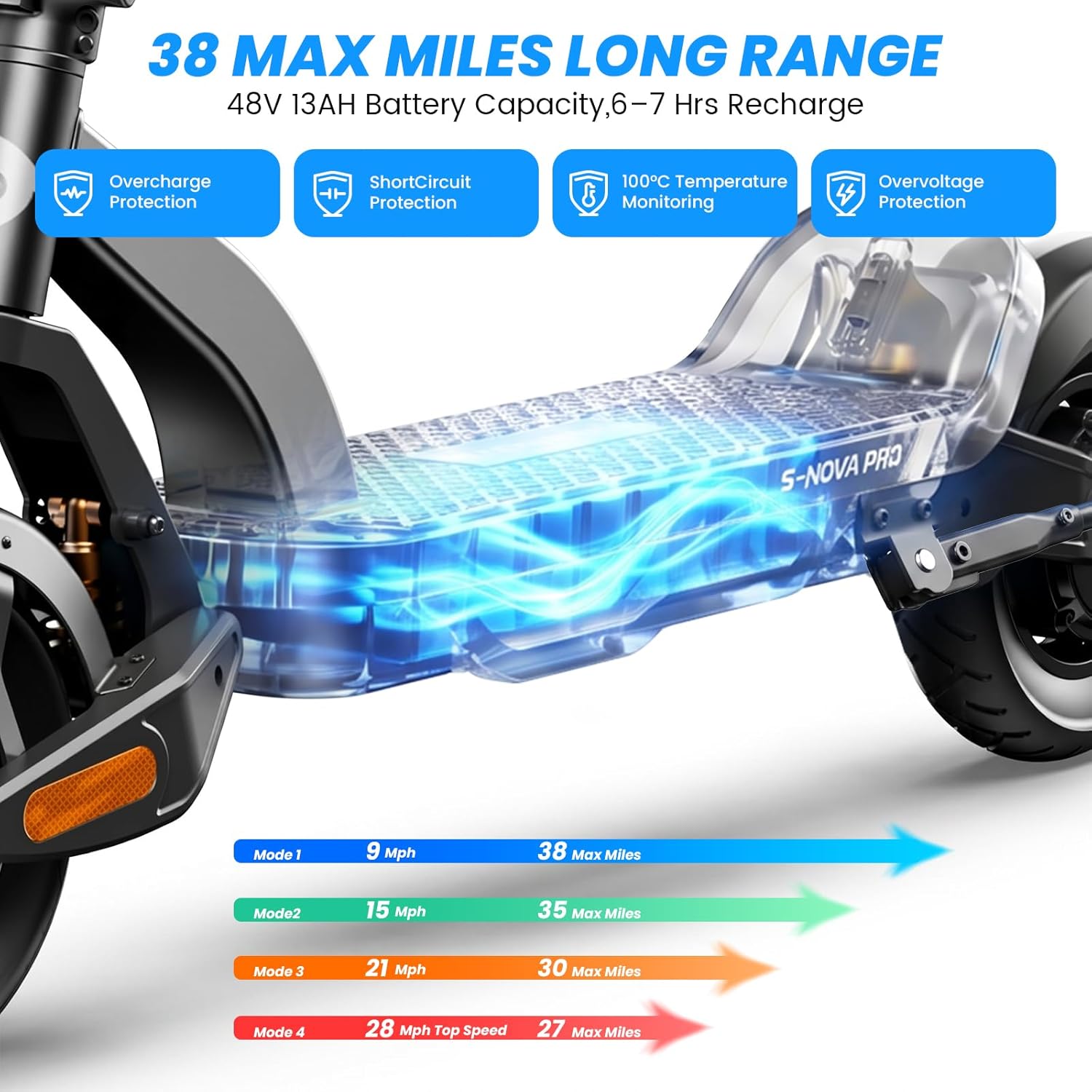
When choosing an electric scooter, battery life is crucial. Most electric scooters feature lithium-ion batteries, which provide longer usage times and quicker recharge capabilities. A strong battery can offer a range of 25 to 38 miles on a single charge, making it suitable for longer commutes.
3. Weight Capacity
Different scooters cater to varying weight limits, typically ranging between 220 to 350 pounds. It’s essential to consider your weight and the additional load you may carry (like a backpack) when selecting a scooter.
4. Suspension and Braking System
Suspension
Good suspension systems are vital for a comfortable ride, especially on uneven surfaces. Look for scooters with C-shaped front suspensions or other advanced technologies that enhance shock absorption.
Braking
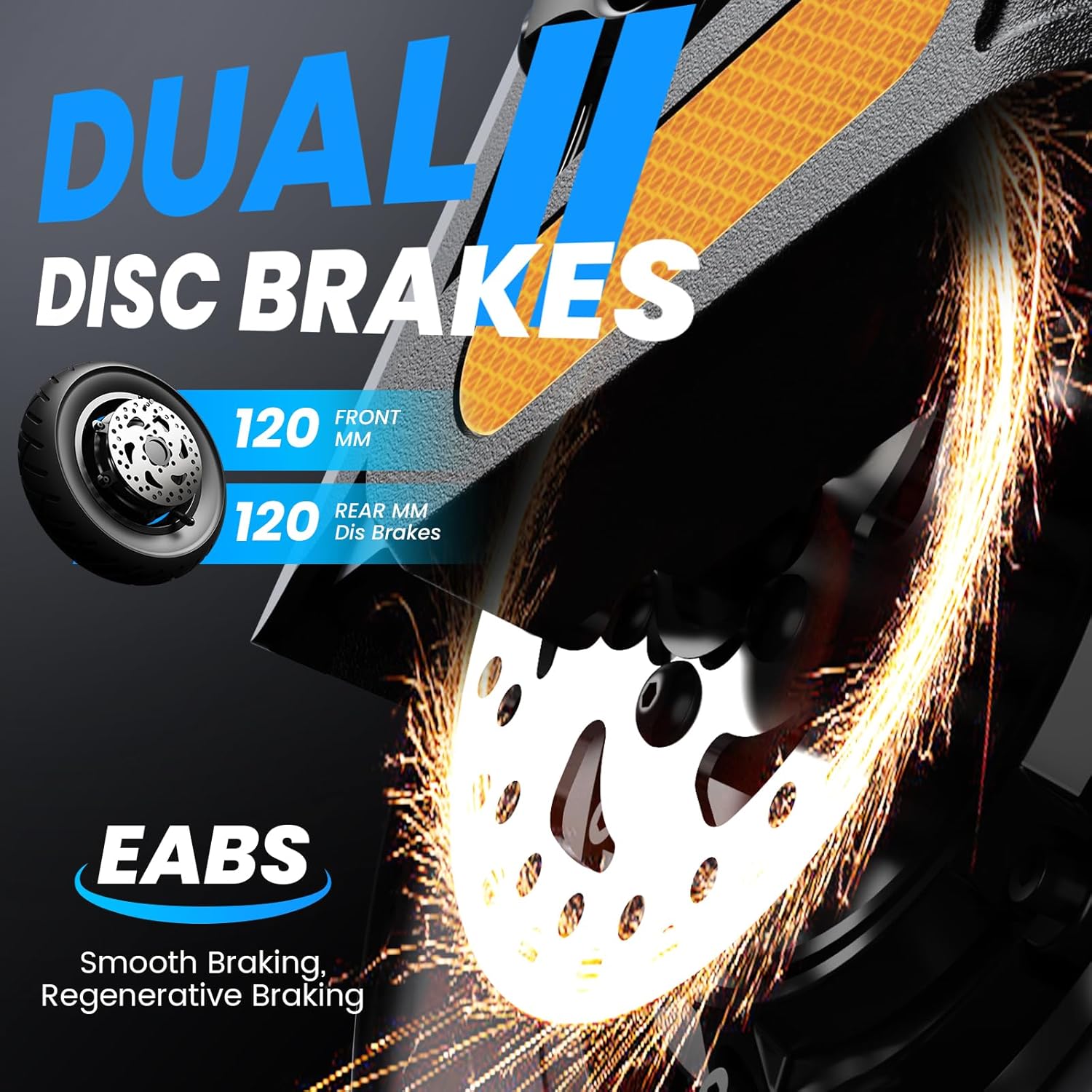
Safety should always be a priority. Electric scooters come equipped with different braking systems. Disc brakes are common for their reliability, but some models also feature drum brakes and electronic brakes.
How to Choose the Right Electric Scooter?
Consider Your Riding Style
Are you planning to use your scooter for commuting or leisure rides? Your riding style will dictate the type of scooter you should purchase. For daily commutes, prioritize speed, range, and battery durability. For leisure, comfort might be your main focus.
Research Customer Reviews
Before making a purchase, check customer reviews to understand the product’s real-world performance. Users often share valuable insights regarding durability, ride quality, and customer service.
Look for Warranty and Support
A solid warranty and responsive customer support can be indicators of a reliable brand. Choose scooters that come with a 1-year warranty or longer and provide dependable after-sales support.
Electric Scooter Comparisons: What Should You Look For?
Performance Versus Price
When comparing electric scooters, always evaluate performance relative to price. Sometimes more expensive models offer distinct advantages that justify the higher cost, such as extended range and enhanced technology features.
Design and Build Quality
The design matters. A well-built electric scooter ensures longevity and reliability. Pay attention to materials used for the frame, as aluminum and steel have different strengths and weights.
Benefits of Electric Scooters
Flexibility and Versatility
Electric scooters allow riders to choose their route, avoiding traffic congestion, and providing a more flexible form of transportation.
Health Benefits
Riding an electric scooter encourages physical activity. Although it’s motorized, it requires some effort to maintain balance and control.
Noise Reduction
Electric scooters operate quietly, an attractive feature for those living in urban areas looking for less noise pollution.
Challenges of Using Electric Scooters
Safety Concerns
While electric scooters are generally safe, riders should always wear helmets and follow local traffic rules. The risk of accidents can be mitigated through careful riding and awareness of surroundings.
Weather Dependence
Scooter rides may not be comfortable during adverse weather conditions like heavy rain or snow. Keeping your scooter sheltered during inclement weather can extend its lifespan.
Limited Terrain Capability
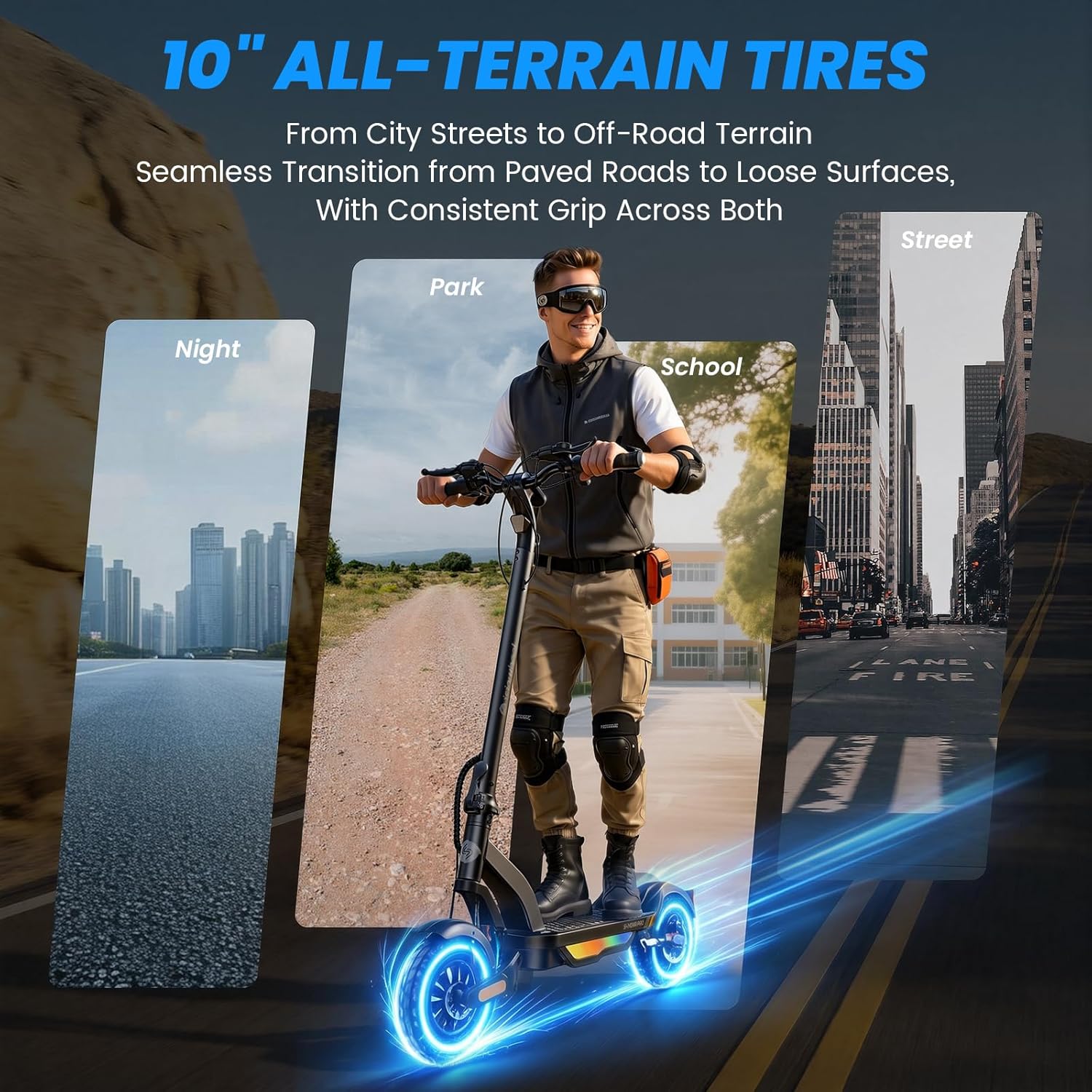
Some electric scooters are not designed for rough terrains and may struggle on hills or unpaved paths. Always check specifications based on where you plan to ride.
Conclusion
Electric scooters are becoming an undeniable part of urban transportation. With their eco-friendliness, convenience, and cost-effectiveness, they represent a forward-thinking option for getting around. However, choosing the right electric scooter involves understanding your needs and evaluating various features, performance levels, and safety measures. By making an informed decision, you can enjoy all the benefits while minimizing potential challenges.
FAQs
1. Are electric scooters easy to ride?
Yes, electric scooters are generally easy to ride. They often include intuitive controls and can be operated with minimal learning curve.
2. What age group can use electric scooters?
Most electric scooters are designed for adults, but specific models cater to younger riders, provided parental supervision is involved.
3. How often do electric scooter batteries need to be replaced?
Typically, electric scooter batteries last between 2 to 3 years. Regular maintenance can prolong battery life.
4. Can I use an electric scooter in the rain?
While many electric scooters are water-resistant, it’s best to avoid riding in heavy rain to protect the electrical components.
5. Where can I find reliable electric scooter reviews?
Trusted websites, specialized forums, and customer feedback on retail platforms are great sources for finding reliable reviews and comparisons.
By diving deep into the world of electric scooters, you can ensure that your choice benefits not only yourself but also contributes to a greener planet.
Disclosure: As an Amazon Associate, I earn from qualifying purchases.

Hi, I’m rideonscoot, the author behind RideOnScoot.com. Welcome to the world of electric scooters, where your adventure begins! At RideOnScoot.com, we offer a handpicked selection of top-notch electric scooters that will transform your daily commute and leisure rides. With cutting-edge technology, impressive range, and sleek designs, our scooters not only offer convenience but also contribute to a sustainable future. Whether you’re a city commuter or an urban explorer, I have the perfect ride waiting for you. Join the electric scooter revolution today and experience the power of eco-friendly transportation firsthand.