

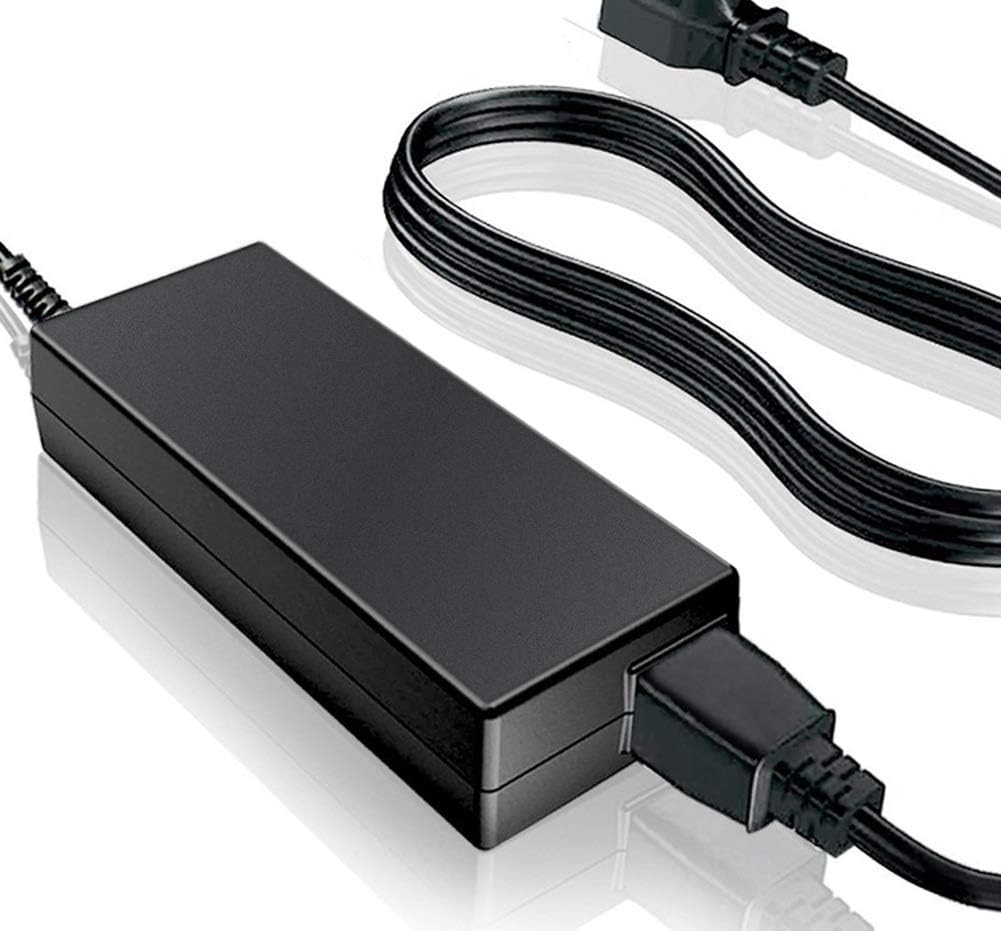


Choosing the Right AC Adapter: A Comprehensive Guide
When it comes to electronics, selecting the right AC adapter is critical for optimal device performance. With various types and specifications available, understanding how to choose the perfect one for your needs is essential. This guide delves into everything you need to know about AC adapters, ensuring you make an informed choice, maintain safety, and maximize your device’s lifespan.
What is an AC Adapter?
An AC adapter converts alternating current (AC) from a power source into the direct current (DC) that many electronic devices require. These adapters provide devices with the necessary power while often offering additional safety features, such as short circuit protection.
Why is Choosing the Right AC Adapter Important?
Using the correct AC adapter isn’t just about functionality; it significantly impacts your device’s longevity and performance. An incorrect adapter can lead to overheating, damage to your device, or even short circuits. Understanding how to select the right one can thus extend your device’s life and prevent accidents.
Key Specifications to Consider
1. Voltage Output: What You Need to Know
Every AC adapter has a specific voltage output requirement. Ensure the adapter’s output voltage matches your device’s requirement. An over-voltage adapter can damage your device, while an under-voltage one may cause it to function incorrectly.
2. Amperage: Why It Matters
Amperage is the amount of current the device draws. Ensure the adapter can supply sufficient amperage to your device. If the amperage is too low, it might not perform optimally. Check your device specifications; the adapter must provide equal or greater amperage than required.
3. Tip Size: The Missing Link
The tip size of the adapter must fit your device perfectly. Adapters often come with interchangeable tips, so check the specifications carefully before purchasing. An incorrect tip can lead to connection issues or damage.
How to Test Your Current Adapter
If you’re unsure whether your current adapter is functioning correctly, consider the following methods:
- Visual Inspection: Look for cracks, frays, or any visible damage.
- Testing Voltage: Use a multimeter to measure the voltage output.
- Device Performance: If your device fails to charge, it may indicate an adapter issue.
Safety Features of High-Quality AC Adapters
Using an adapter with advanced safety features can protect your device. Here are notable features to consider:
Short Circuit Protection
This feature automatically disconnects power if the current exceeds safe levels, minimizing the risk of damage.
Overheating Protection
Quality adapters include sensors that regulate temperature, ensuring they do not overheat during extended use.
Incorrect Voltage Protection
This vital feature prevents your device from receiving more power than it can handle, reducing the risk of permanent damage.
Pros and Cons of Using Generic AC Adapters
When choosing between brand-name and generic adapters, weigh the pros and cons.
Pros of Generic AC Adapters:
- Cost-Effective: Generic adapters are typically less expensive than brand-name options.
- Availability: They are often readily available in a variety of specifications.
Cons of Generic AC Adapters:
- Quality Assurance: The performance may not be reliable, leading to potential device risks.
- Limited Safety Features: Generic models often lack advanced safety mechanisms found in branded adapters.
Common Mistakes to Avoid When Buying an AC Adapter
1. Ignoring Device Specifications
Always check your device’s specifications. Failing to do so may lead to purchasing an incompatible adapter.
2. Not Considering Your Usage
If you use your device for extended periods, choose an adapter designed for such use, ensuring it includes overheating and short circuit protections.
3. Overlooking Warranty Options
Always choose products that come with warranty options. A warranty can offer peace of mind regarding product reliability.
How to Maintain Your AC Adapter for Longevity
In order to maximize the lifespan of your AC adapter, follow these maintenance tips:
1. Keep in a Cool, Dry Place
Humidity and heat can damage the components of the adapter. Store it in a well-ventilated area.
2. Avoid Overexertion
Avoid using your adapter for devices beyond its rating to prevent overheating.
3. Regular Visual Inspections
Routine checks for wear or damage can alert you to potential issues before they escalate.
What to Do if Your Adapter is Not Working
If you find that your adapter isn’t working:
1. Troubleshoot with a Multimeter
Use a multimeter to check if the output voltage matches the labeled specifications.
2. Check for Compatibility Issues
Ensure the adapter is compatible with your device’s voltage and amperage requirements.
3. Contact Customer Support
If the issue persists, reach out for help. Manufacturers typically have support lines for such queries.
The Future of AC Adapters: Innovative Features to Look For
The AC adapter market is evolving, and manufacturers are integrating more innovative features into their products. Look for:
Fast Charging Technology
Adapters are beginning to incorporate faster charging capabilities to reduce downtime.
Smart Technology Integration
Smart adapters can detect device requirements and adjust power output automatically.
Environmental Considerations
More brands are adopting eco-friendly production practices, ensuring that adapters have a smaller environmental footprint.
Conclusion
Choosing the right AC adapter is crucial for device performance, safety, and longevity. By considering the voltage, amperage, tip size, and safety features, you can ensure that your devices perform optimally. Additionally, understanding maintenance practices will prolong the life of your adapter. Investing in quality, whether it be a branded item or a reliable generic adapter, can save you from future complications.
Whether you’re using it for your laptop, smartphone, or any other electronic device, having the right information can empower you to make the best decision. In this rapidly evolving tech landscape, staying informed enables you to maximize your device’s performance and lifespan.
FAQs
1. Can I use any AC adapter for my device?
No, that can cause damage. Always check the specifications before using an adapter.
2. What happens if I use an adapter with different voltage?
Using an adapter with incorrect voltage can damage your device or cause it to malfunction.
3. How do I know if my adapter is lab-certified?
Look for certifications like UL, CE, or FCC on the adapter label, which indicate it has passed safety standards.
4. Does frequent unplugging and re-plugging affect adapter lifespan?
Yes, frequent bending or pulling on the cord can wear it out quicker. It’s best to handle the adapter gently.
5. Are generic adapters safe?
They can be safe if they meet specifications, but they often lack safety features found in branded adapters. Be cautious and check reviews before purchasing.
Investing the time to understand the intricacies of AC adapters will not only enhance your electronic devices’ performance but also ensure you remain safe and informed.
Disclosure: As an Amazon Associate, I earn from qualifying purchases.

Hi, I’m rideonscoot, the author behind RideOnScoot.com. Welcome to the world of electric scooters, where your adventure begins! At RideOnScoot.com, we offer a handpicked selection of top-notch electric scooters that will transform your daily commute and leisure rides. With cutting-edge technology, impressive range, and sleek designs, our scooters not only offer convenience but also contribute to a sustainable future. Whether you’re a city commuter or an urban explorer, I have the perfect ride waiting for you. Join the electric scooter revolution today and experience the power of eco-friendly transportation firsthand.