



Essential Motorcycle Gear: A Comprehensive Guide to Safety and Comfort
When it comes to riding motorcycles, safety and comfort are non-negotiable. Whether you are a seasoned rider or a newcomer, understanding the essential gear that can elevate your riding experience is crucial. In this article, we will delve into the various types of motorcycle gear, their importance, and how to choose the best options for your needs.
What Is Motorcycle Gear?
Motorcycle gear encompasses all protective clothing and accessories designed to enhance safety while riding. It includes items like helmets, jackets, gloves, footwear, and even electronics. Each piece of gear plays a vital role in protecting the rider against potential accidents, weather conditions, and discomfort during long rides.
Why Is Quality Gear Important for Riders?
Protective Features
High-quality motorcycle gear is engineered to withstand abrasions and impacts, providing an added layer of safety in case of accidents. Materials like leather and specially designed fabrics offer maximum protection without compromising mobility.
Comfort on Long Rides
Comfort is often overlooked, but it’s essential for long-distance travel. Investing in ergonomic gear ensures you remain comfortable, avoiding fatigue and distractions while on the road.
Visibility
Many gear manufacturers incorporate reflective materials into their designs to enhance visibility during low-light conditions, reducing the risk of accidents.
Types of Motorcycle Gear
1. Protective Helmets
Helmets are undoubtedly the most critical piece of motorcycle gear. They prevent serious head injuries and contribute significantly to safety ratings.
Types of Helmets
- Full Face Helmets: These provide maximum coverage and protection, making them ideal for high-speed riding.
- Open Face Helmets: Offering a classic look, these provide comfort, but less facial protection.
- Modular Helmets: These combine the best features of both full-face and open face, offering versatility.
2. Riding Jackets
Motorcycle jackets bear the brunt of unexpected weather conditions. A good jacket is breathable yet protective.
Material Matters
- Leather: Durable and offers excellent abrasion resistance.
- Textile Jackets: Often lighter, these can come with waterproof and breathable membranes.
3. Gloves
Gloves are crucial for maintaining grip and protecting your hands. Look for gloves that provide both dexterity and protection.
Types of Gloves
- Sport Gloves: Designed for racing, they offer superior grip and protection.
- Touring Gloves: Ideal for long rides, they provide comfort and weather protection.
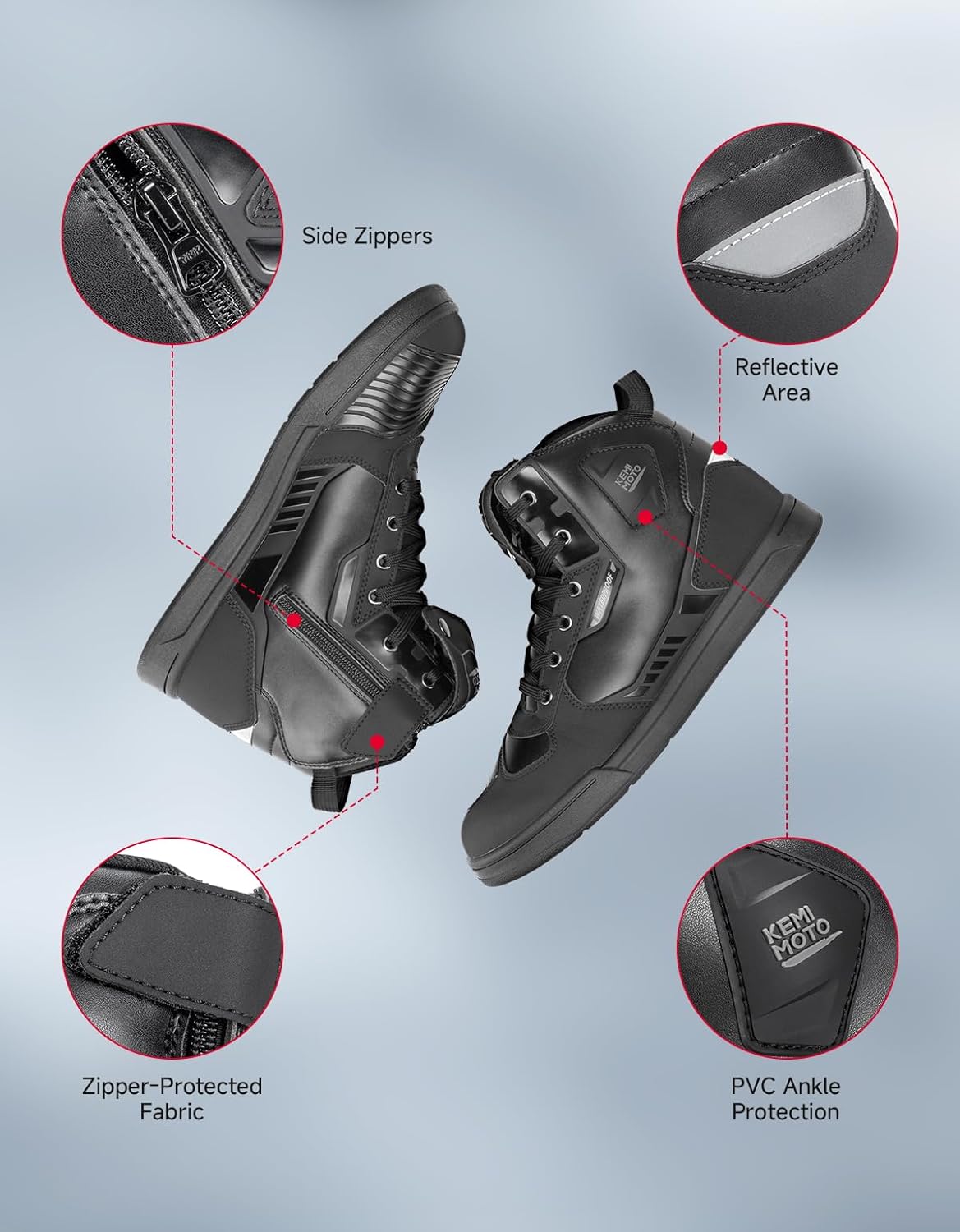
4. Footwear
Proper riding boots protect your feet and ankles from injury. They should be supportive, durable, and waterproof.
What to Look For in Riding Boots?
- Ankle Protection: Ensure they have adequate ankle support to prevent injuries.
- Slip Resistance: Choose boots with good grip to avoid slips while on the bike.
5. Protective Pants
Riding pants provide protection while allowing for freedom of movement. Options include:
- Jeans with Reinforcement: Look for jeans that include Kevlar or other protective materials.
- Technical Riding Pants: These often come with built-in armor and moisture-wicking properties.
What Are Motorcycle Electronics?
Modern technology has made its way into motorcycle riding gear. Motorcycle electronics can enhance safety and convenience.
Types of Motorcycle Electronics
- Bluetooth Communication Systems: Allow for hands-free calling and music control while riding.
- GPS Navigation Devices: Help keep you on the right path without distractions.
- Dash Cameras: Provide evidence in the case of accidents and can enhance safety.
How to Choose Motorcycle Gear?
1. Size and Fit
Finding the right size is crucial. Gear that’s too loose won’t provide adequate protection, while gear that’s too tight will restrict movement. Always refer to sizing charts and try gear on where possible.
2. Weather Conditions
Consider the climate in which you will be riding. For colder climates, look for gear that offers insulation and waterproofing. In warmer conditions, breathable materials that wick moisture are essential.
3. Safety Certifications
Check for safety certifications, like DOT for helmets or CE ratings for clothing. These indicators help ensure that the gear meets safety standards.
4. Brand Reputation
Opt for established brands like Kemimoto, known for their quality motorcycle gear. A solid reputation often indicates superior product durability and reliability.
What Are the Pros and Cons of Investing in Quality Motorcycle Gear?
Pros
- Enhanced Safety: Reduces the risk of injury during accidents.
- Comfort: Increases riding enjoyment by minimizing fatigue.
- Durability: High-quality gear lasts longer, providing value for your money.
- Better Performance: Quality gear can improve your overall riding experience.
Cons
- Cost: High-quality gear can be more expensive upfront.
- Weight: Some protective gear can be heavier, potentially affecting maneuverability.
- Maintenance: Certain materials require proper care and cleaning.
How to Maintain Your Motorcycle Gear?
1. Regular Cleaning
Keeping your gear clean enhances longevity. Follow the manufacturer’s care instructions for washing.
2. Inspect for Damage
Regularly check your gear for signs of wear and tear. A small tear can quickly become a significant issue if not addressed.
3. Store Properly
When not in use, store your gear in a cool, dry place away from direct sunlight to prevent fading and material degradation.
Conclusion
Investing in high-quality motorcycle gear is more than just a fashion statement; it’s a critical aspect of enjoying the freedom of riding safely. With options like helmets, jackets, boots, and electronics, riders have a plethora of choices to enhance both safety and comfort. By considering factors such as size, fit, and weather conditions, you can select the right gear that meets your needs. Remember, the road can be unpredictable, so equip yourself with the best protective gear available.
FAQs
1. What is the most important piece of motorcycle gear?
The helmet is the most critical piece of gear as it protects your head during accidents.
2. How often should I replace my motorcycle gear?
It depends on wear and tear; however, it’s recommended to replace your helmet every five years and inspect clothing and boots regularly.
3. Are all motorcycle gloves protective?
No, not all gloves offer the same level of protection. Look for gloves with armor and tough materials for the best safety.
4. Do I really need a motorcycle jacket?
Yes, a motorcycle jacket provides vital protection against abrasions and impacts, especially in case of an accident.
5. Can I wear regular jeans while riding?
While you can, it’s safer to wear reinforced riding pants designed to protect against abrasions and crashes. Regular jeans do not offer the same level of protection.
Disclosure: As an Amazon Associate, I earn from qualifying purchases.

Hi, I’m rideonscoot, the author behind RideOnScoot.com. Welcome to the world of electric scooters, where your adventure begins! At RideOnScoot.com, we offer a handpicked selection of top-notch electric scooters that will transform your daily commute and leisure rides. With cutting-edge technology, impressive range, and sleek designs, our scooters not only offer convenience but also contribute to a sustainable future. Whether you’re a city commuter or an urban explorer, I have the perfect ride waiting for you. Join the electric scooter revolution today and experience the power of eco-friendly transportation firsthand.