






The Comprehensive Guide to Electric Wheelchairs: Freedom and Functionality
When it comes to mobility solutions, electric wheelchairs have become a popular choice for many individuals seeking independence and comfort. This article explores everything you need to know about electric wheelchairs, helping you make an informed decision on which model suits your needs best.
What is an Electric Wheelchair?
An electric wheelchair is a mobility device powered by electric motors. It allows individuals with mobility impairments to navigate their environment with ease. Unlike manual wheelchairs, electric models offer greater speed and maneuverability, making them ideal for both indoor and outdoor use.
How Do Electric Wheelchairs Work?
Electric wheelchairs operate through rechargeable battery systems. A joystick or control panel lets users move forward, backward, and pivot. These wheelchairs are typically equipped with wheels, various seating options, and often customizable components to address diverse mobility needs.
Why Choose an Electric Wheelchair?
Choosing an electric wheelchair offers numerous benefits:
- Enhanced Mobility: Electric wheelchairs allow users to traverse longer distances with minimal effort.
- Independence: They provide the freedom to explore various locations without the assistance of caregivers.
- Customizability: Many models offer features like adjustable seating, armrests, and footrests to enhance user comfort.
Types of Electric Wheelchairs
Understanding different types of electric wheelchairs is essential in making an informed decision. Here, we explore some popular categories:
1. Rear-Wheel Drive Electric Wheelchairs
These models provide a stable and smooth ride, especially suitable for outdoor terrain. The rear-wheel drive mechanism supports easy navigation over uneven surfaces.
2. Front-Wheel Drive Electric Wheelchairs
Ideal for indoor users, front-wheel drive models offer better maneuverability in tight spaces. They can easily turn in small areas, making them an excellent choice for homes and offices.
3. Mid-Wheel Drive Electric Wheelchairs
Mid-wheel drive chairs balance stability and maneuverability, making them suitable for various environments. These models typically offer a tight turning radius, allowing for seamless navigation.
4. Lightweight Electric Wheelchairs
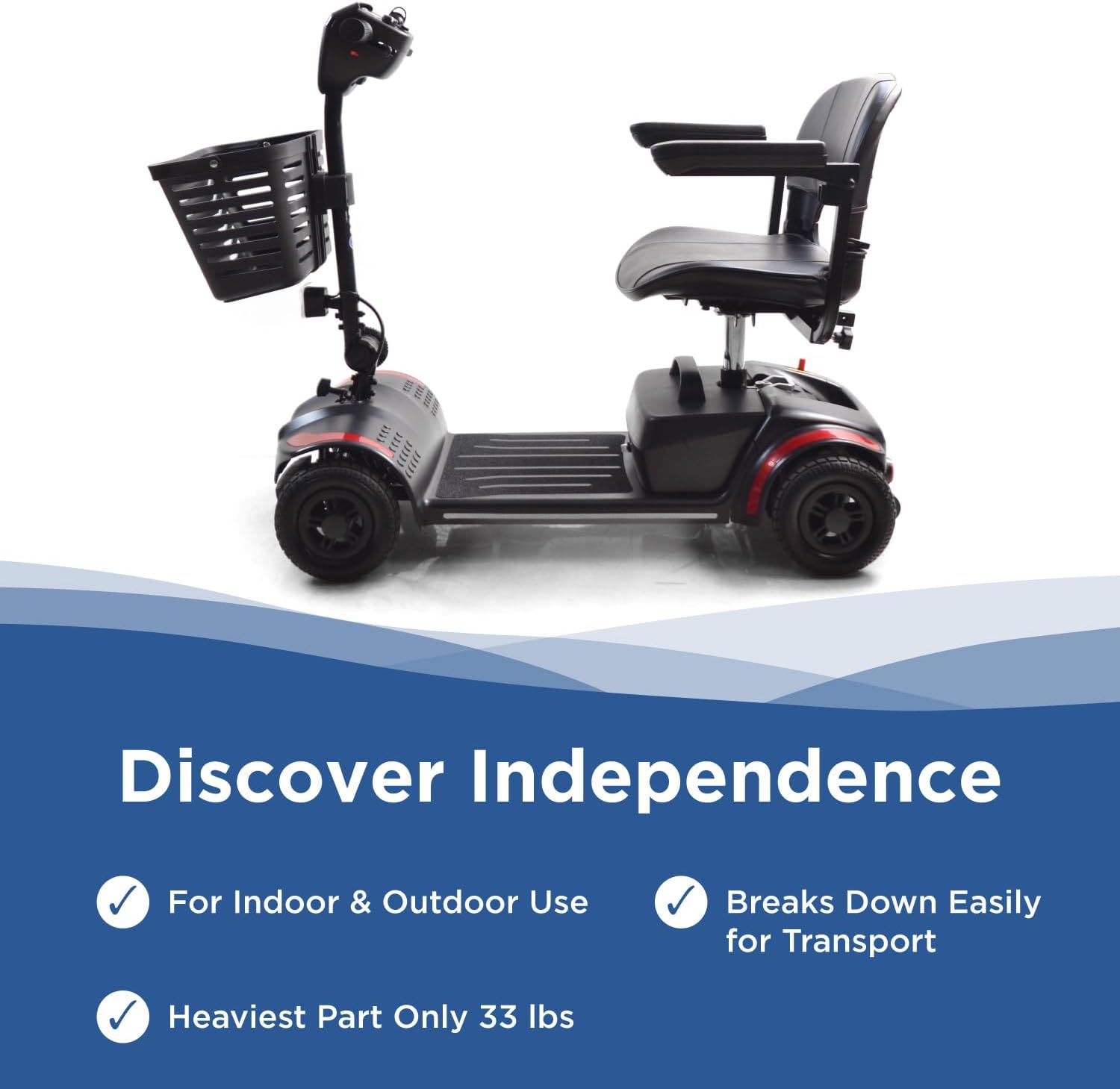
These chairs are designed for portability and ease of transport. They often weigh 50 pounds or less, making them perfect for travel.
Key Features To Consider
When choosing an electric wheelchair, consider the following features:
1. Range and Battery Life
The distance an electric wheelchair can travel on a single charge is crucial. Look for models that offer at least 10 miles of range for day-to-day use.
2. Weight Capacity
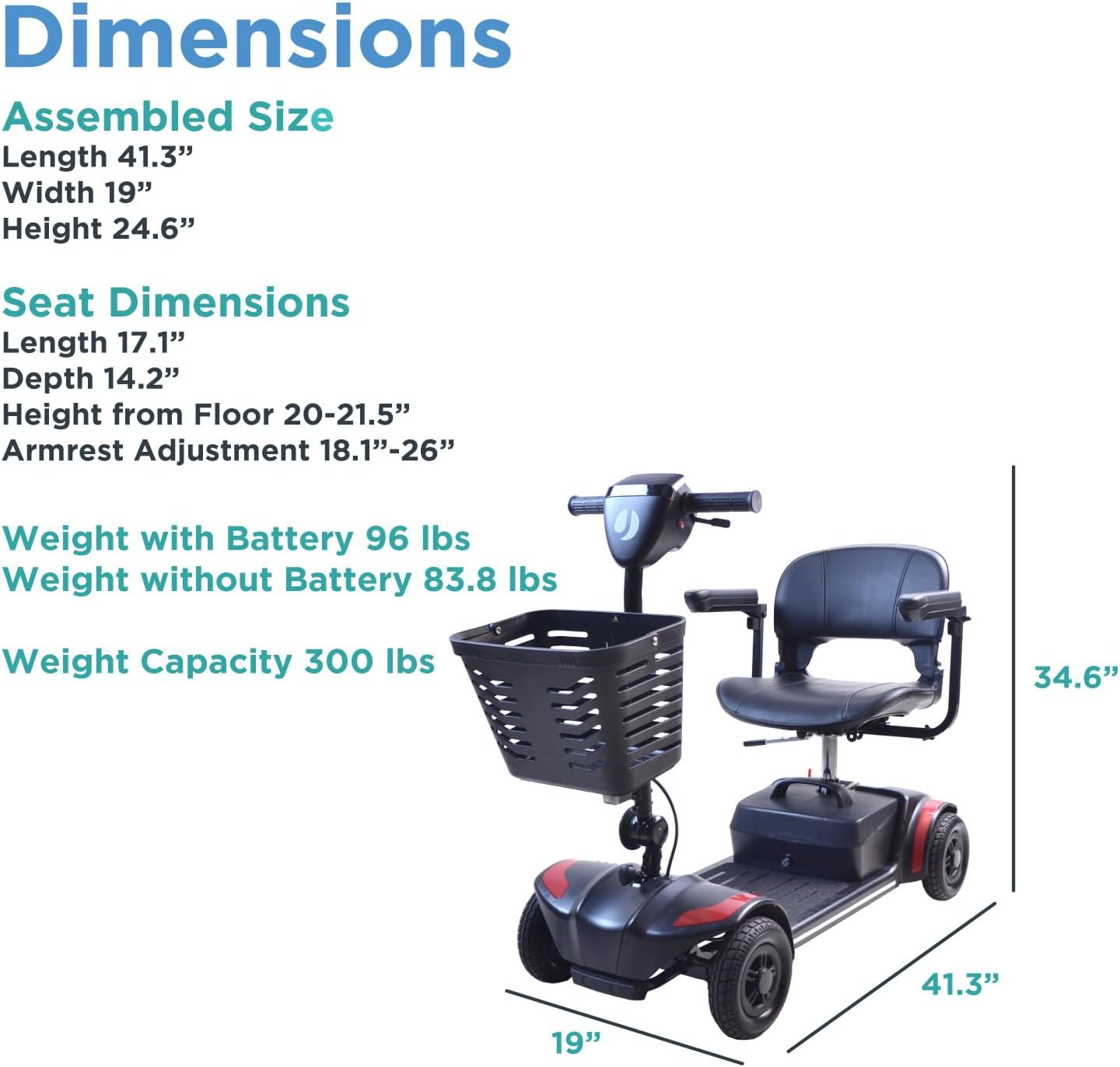
Each chair comes with a specified weight limit. Ensure that the chosen model accommodates your weight and any additional items you may carry.
3. Comfort
Adjustable seating, cushion types, and armrest features all contribute to comfort levels. Test chairs in-person, if possible, to find the best fit for your body.
4. Control Mechanism
Most electric wheelchairs come with joysticks, but some offer alternative controls, like touchpads or head switches. Determine which control option works best for your needs.
Comparing Leading Brands
When scouting for the perfect electric wheelchair, several trusted brands stand out. Here’s a closer look at some top contenders.
1. Journey Health & Lifestyle
This brand offers a range of electric wheelchairs featuring lightweight designs and user-friendly controls. The Journey Air Elite and Zoomer are particularly popular for their portability and performance.
2. UPWalker
UPWalker promotes independence with their upright walking devices that aid in mobility without sacrificing comfort. Their electric models have gained popularity for their ergonomic designs.
3. So Lite Mobility
So Lite offers some of the lightest electric wheelchairs in the market, making them ideal for seniors seeking portability without compromising quality.
Pros and Cons of Electric Wheelchairs
Pros
- Enhanced Mobility and Independence: Empower users to navigate without assistance.
- Comfort Features: Many models offer customizable seating and control options.
- Versatility: Suitable for both indoor and outdoor use.
Cons
- Cost: Electric wheelchairs can be more expensive compared to manual ones.
- Maintenance: Battery systems require regular upkeep, while mechanical components may need servicing over time.
- Weight: Some models can be heavier, making them less portable compared to lightweight options.
How to Maintain Your Electric Wheelchair
Proper maintenance is vital for ensuring your electric wheelchair remains in optimal condition. Here are some tips:
1. Regularly Charge the Battery
Always recharge the battery after use to prolong its lifespan and ensure maximum range.
2. Inspect Components
Regularly check the wheels, battery connections, and seating components for wear and tear. Addressing minor issues promptly can prevent costly repairs.
3. Clean the Wheelchair
Keeping your electric wheelchair clean helps maintain its aesthetics and function. Use non-abrasive materials and follow manufacturer guidelines for cleaning.
Where to Buy Your Electric Wheelchair
You can purchase electric wheelchairs through:
- Specialty Mobility Stores: These often have knowledgeable staff to assist in finding the right model for your needs.
- Online Retailers: Websites like Amazon or dedicated mobility aids stores can offer competitive pricing and customer reviews.
- Local Medical Supply Stores: Check for local options that allow for in-person trials.
Conclusion
Investing in an electric wheelchair can transform your quality of life by enhancing mobility and independence. With a variety of models available, it’s essential to consider factors such as range, comfort, and features to find the perfect fit. Explore advanced brands like Journey Health & Lifestyle, UPWalker, and So Lite to find state-of-the-art options tailored to your needs.
FAQs
1. How long does the battery last on an electric wheelchair?
Battery life varies by model but generally lasts from 8 to 12 miles per charge under standard conditions.
2. Are electric wheelchairs eligible for insurance coverage?
Yes, many insurance providers cover electric wheelchairs, but it’s essential to check with your policy for specifics.
3. Can electric wheelchairs be used outdoors?
Absolutely! Many electric wheelchairs are designed for both indoor and outdoor use, providing versatility for all environments.
4. Do electric wheelchairs come with warranties?
Most manufacturers offer warranties that cover specific parts and components, which can range from 1 to 5 years.
5. How do you transport an electric wheelchair?
Some electric wheelchairs can be disassembled for easy transport. Always consult the manufacturer’s instructions for best practices.
With this comprehensive guide, you’re now equipped with the knowledge to make an informed decision on your electric wheelchair journey.
Disclosure: As an Amazon Associate, I earn from qualifying purchases.

Hi, I’m rideonscoot, the author behind RideOnScoot.com. Welcome to the world of electric scooters, where your adventure begins! At RideOnScoot.com, we offer a handpicked selection of top-notch electric scooters that will transform your daily commute and leisure rides. With cutting-edge technology, impressive range, and sleek designs, our scooters not only offer convenience but also contribute to a sustainable future. Whether you’re a city commuter or an urban explorer, I have the perfect ride waiting for you. Join the electric scooter revolution today and experience the power of eco-friendly transportation firsthand.