




Unlocking Mobility: The Comprehensive Guide to Power Mobility Scooters and Wheelchairs
Introduction
In a world that increasingly prioritizes accessibility and independence, power mobility scooters and wheelchairs are essential solutions for many, including seniors, veterans, and those with mobility impairments. As the demand for these devices steadily grows, making the right choice has never been more important. In this guide, we’ll explore everything you need to know about power mobility options, focusing on features, benefits, and purchasing considerations.
What Are Power Mobility Scooters?
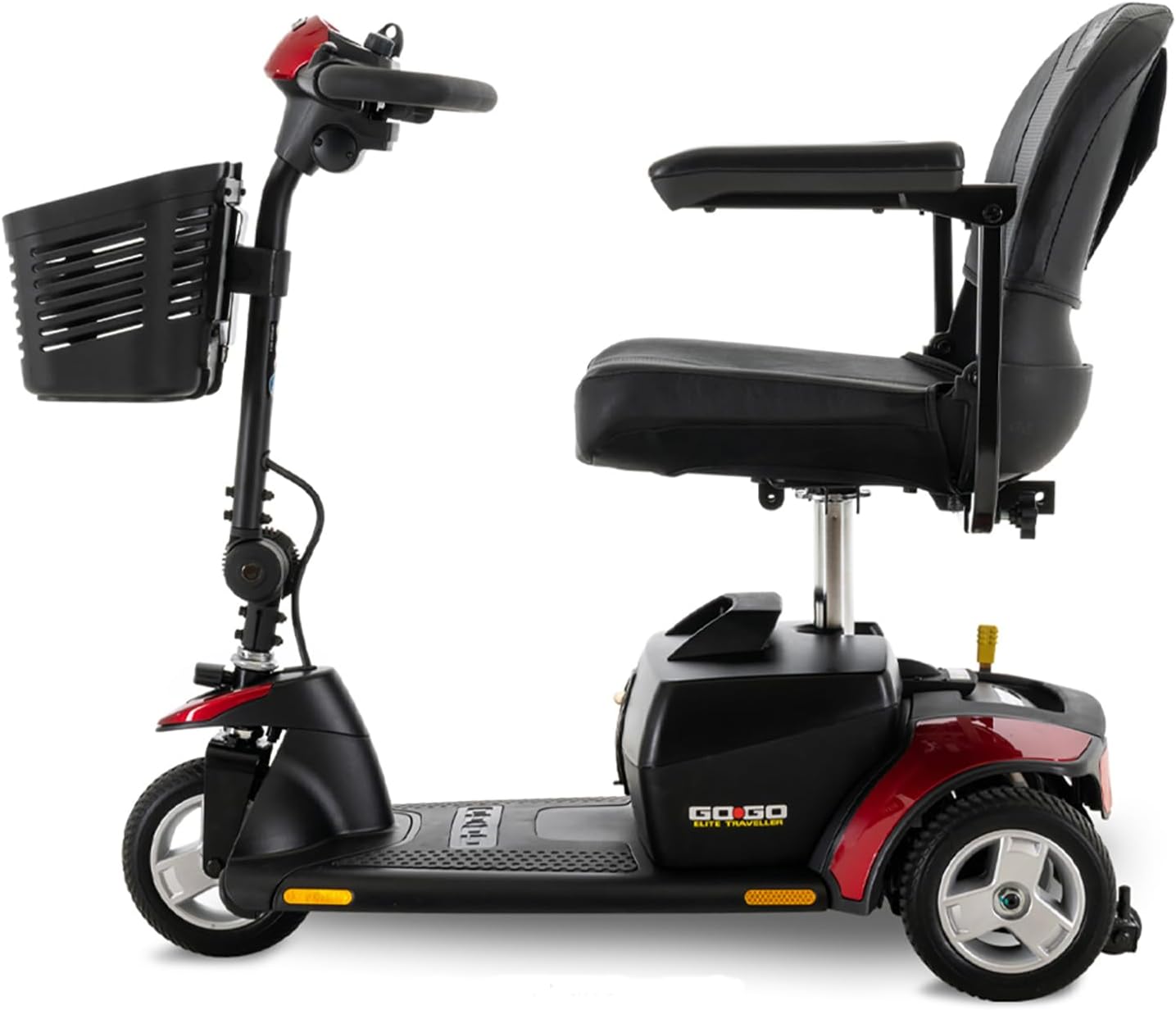
Power mobility scooters are electrically powered devices designed for individuals who have difficulty walking. They provide a practical and comfortable means of transportation in various settings, whether indoors or outdoors. With numerous models available, understanding their unique features becomes crucial for making an informed decision.
The Anatomy of a Power Mobility Scooter
- Frame: The frame dictates the scooter’s durability and stability.
- Wheels: The type of wheels affects maneuverability in different terrains.
- Battery: Batteries determine range and charging time.
- Seat: Comfortable seating enhances user experience significantly.
Why Choose Power Wheelchairs?
Power wheelchairs offer another excellent option for individuals needing mobility assistance. These are sophisticated devices designed for enhanced functionality. Often, they provide better support and maneuverability than scooters, making them suitable for both indoor and outdoor use.
Advantages of Power Wheelchairs:
- Advanced Control: With joystick or alternative controls, users can navigate more easily.
- Posture Support: Designed for prolonged use, they often include enhanced lumbar support.
- Customization: Many models offer adjustable seating and leg rests for added comfort.
How Do Mobility Devices Improve Quality of Life?
Mobility devices not only serve as tools for transportation but also facilitate a more active and engaged lifestyle. Here’s how:
Independence and Confidence
Having the ability to move freely empowers individuals to engage in daily activities, attend social functions, and maintain a level of independence that might otherwise be diminished.
Access to New Experiences
Whether it’s visiting a park, attending community events, or going shopping, mobility devices unlock opportunities that would be challenging otherwise.
What to Consider When Purchasing Mobility Devices?
When selecting a mobility scooter or wheelchair, several factors come into play, ensuring you get the best fit for your needs.
1. Weight Capacity
Always check the weight limit of the device. It ensures safety and functionality for the user.
2. Range and Speed
Evaluate the scooter or wheelchair’s speed, typically ranging from 4 to 8 mph. The range should also align with your daily activities—most scooters cover between 7 to 15 miles on a single charge.
3. Terrain Compatibility
If you plan to use the device outdoors frequently, look for durable wheels and robust suspension systems.
4. Portability
Is it lightweight and easy to disassemble for transport? Many scooters are designed for easy storage in cars or airplanes.
5. Warranty and Service
Choose products with a solid warranty and reliable customer service. Companies like Living Well Stores provide extensive coverage options, making it easier to secure help when needed.
Pros and Cons of Power Scooters and Wheelchairs
Pros
- Enhanced Mobility: Offers independence to users.
- User-Friendly: Easy to operate, even for those with limited technical skills.
- Customizable Options: Many models cater to specific needs and preferences.
- Comfort Features: Includes adjustable seating and extra legroom.
Cons
- Cost Considerations: High-quality devices can be expensive.
- Maintenance Requirements: Regular servicing may be needed to keep devices in optimal condition.
- Potential for Dependency: Over-reliance can occur, deterring physical activity.
Where to Buy Mobility Devices?
Local vs. Online Shopping
Buying locally allows you to test devices physically, while online shopping often provides better deals. Living Well Stores offers an efficient solution by combining extensive online options with excellent customer support, making it easier for buyers.
Understanding the Market
Investigate various providers to compare price ranges. Always check reviews and ratings before making a purchase.
How to Maintain Your Mobility Device?
Maintaining your mobility device ensures longevity and efficiency. Here are some essential maintenance tips:
1. Regular Battery Checks
Inspect batteries periodically for any signs of wear. Replace them as needed to prevent breakdowns.
2. Tire Inflation
Ensure the tires are adequately inflated based on the manufacturer’s specifications. Proper inflation affects usability and safety.
3. Cleaning and Lubrication
Regular cleaning of components and lubrication of moving parts can significantly prolong device life.
User Experiences: Real-Life Stories
Testimonials
“After using a power scooter, I feel a sense of freedom I didn’t have before. I visit parks, attend family gatherings, and even go shopping without worry!” — John, 67
“My power wheelchair changed my life. I can go out on my own again and feel comfortable, which is invaluable.” — Sarah, 54
Conclusion
In summary, mobility scooters and power wheelchairs represent significant advancements in providing independence to those with mobility challenges. By considering factors such as weight capacity, range, and terrain compatibility, you can choose the best option for your lifestyle. With the right support and product, you can enhance your quality of life and reconnect with the world around you.
FAQs
1. What is the average cost of a power mobility scooter?
The cost varies widely based on features, typically ranging from $1,000 to over $3,000.
2. Are insurance plans applicable for mobility devices?
Many insurance providers cover a portion of the cost, particularly for medical necessity. Always check with your insurance provider for details.
3. Can I drive a mobility scooter on the road?
Local laws vary, but many municipalities allow mobility scooters to be used on sidewalks rather than roadways. Check local regulations.
4. How long do batteries last on power mobility devices?
Typically, batteries can last from 1 to 5 years depending on usage and maintenance.
5. Is there an age restriction for using power mobility scooters?
There is generally no age restriction; however, users should be capable of operating the device safely.
Explore your options, understand your needs, and take the first step towards enhanced mobility. The right device can make a world of difference in your daily life.
Disclosure: As an Amazon Associate, I earn from qualifying purchases.

Hi, I’m rideonscoot, the author behind RideOnScoot.com. Welcome to the world of electric scooters, where your adventure begins! At RideOnScoot.com, we offer a handpicked selection of top-notch electric scooters that will transform your daily commute and leisure rides. With cutting-edge technology, impressive range, and sleek designs, our scooters not only offer convenience but also contribute to a sustainable future. Whether you’re a city commuter or an urban explorer, I have the perfect ride waiting for you. Join the electric scooter revolution today and experience the power of eco-friendly transportation firsthand.